
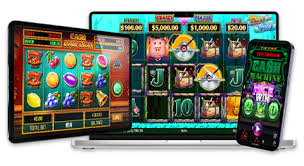
In the rapidly growing world of online gambling, Online Casino Offering Functional Design Simplicity https://betandreas-betandreas-az-2025.info/ functional design isn’t just a luxury; it’s a necessity. As more players turn to digital platforms for their gaming experience, the significance of creating an intuitive, user-friendly environment has never been more critical. This article explores the various elements of functional design and how they contribute to an engaging online casino experience, ensuring players not only enjoy their time but are also encouraged to return.
Understanding Functional Design
Functional design refers to the aspect of design that prioritizes usability and functionality over aesthetics. In the context of online casinos, this means creating websites and apps that are easy to navigate, intuitive to use, and accessible to a wide range of users. These designs consider the user’s journey from the moment they enter the website until they log out. It focuses on how players interact with the interface and the steps they take to place bets, manipulate game settings, or access customer service.
The Importance of User Experience (UX)
User experience (UX) is a critical factor in the success of any online platform, and online casinos are no exception. A well-designed site enhances user satisfaction, which can lead to higher conversion rates and customer loyalty. When players can find their favorite games quickly, make deposits and withdrawals without hassle, and receive assistance when needed, they are more likely to become repeat customers.
Elements of Functional Design in Online Casinos
- Intuitive Navigation: An easily navigable site layout allows users to find games, promotions, and account information quickly. Drop-down menus, search bars, and categorization of games (like slots, table games, and live dealer options) are essential components.
- Responsive Design: In a mobile-first world, online casinos must ensure their platforms function seamlessly on various devices, from desktops to smartphones and tablets. A responsive design adapts to screen sizes, providing a consistent experience across all devices.
- Fast Load Times: Players expect instant gratification. Slow load times frustrate users and can lead to abandonment. Optimizing images, utilizing efficient coding practices, and choosing the right hosting solutions are crucial for keeping load times minimal.
- Clear Calls to Action (CTAs): Effective CTAs guide users toward desired actions, such as signing up, making a deposit, or joining a live game. These should be prominently displayed and clearly defined to facilitate engagement.
- Accessibility Features: A truly functional design considers users with disabilities. Implementing features like screen reader compatibility, keyboard navigation, and adjustable text sizes ensures that all players can enjoy their gaming experience.
- Security and Trust: Players need to feel safe when gambling online. Clear indicators of security measures, such as SSL certificates and regulatory compliance logos, should be prominently displayed to enhance trust and confidence in the platform.
User-Centric Design Approach
Designing an online casino with a user-centric approach means prioritizing the needs and preferences of players. This begins with research and understanding the target audience, including their demographics, gaming habits, and preferences. Surveys, usability testing, and feedback can provide valuable insights into what features enhance their experience and what pain points need addressing.
Iterative Design and Continuous Improvement
The universe of online gaming is ever-evolving, with new technologies and trends emerging regularly. An effective online casino design is not static; it should evolve based on player feedback and industry changes. Utilizing an iterative design process allows operators to test new functionalities, gather player responses, and refine their platforms accordingly. This approach keeps the user experience fresh and exciting, which is essential to retain existing players and attract new ones.

Case Studies: Successful Functional Design in Online Casinos
Several online casinos have successfully integrated functional design elements into their platforms, resulting in increased user satisfaction and engagement. For instance:
- Casino A: This platform invested heavily in mobile optimization, enabling a smooth user experience on smartphones. The result was a 30% increase in mobile user retention.
- Casino B: By simplifying the registration process and reducing the number of steps to create an account, this casino saw a significant rise in new players signing up.
- Casino C: Implementing an AI-driven chatbot for customer service has improved response times and user satisfaction, as players no longer have to wait for human agents during peak hours.
Challenges in Online Casino Design
Despite the best intentions, designing a functional online casino isn’t without challenges. The constantly changing regulations in the gambling industry can impact design choices, especially regarding responsible gaming and advertising.
Balancing Aesthetics and Functionality
While functionality is essential, aesthetics cannot be ignored. A visually appealing design draws players in and sets the tone for their gaming experience. The challenge lies in striking the right balance between creating an attractive website and maintaining easy navigation. Oversized graphics or cluttered layouts can detract from usability, while overly simplistic designs might bore users.
Future Trends in Online Casino Design
As technology advances, so too will the design paradigms of online casinos. Future trends may include:
- Augmented Reality (AR) and Virtual Reality (VR): These technologies have the potential to transform online gaming by creating immersive environments that mimic the casino experience.
- AI and Personalization: AI can analyze player data to customize the gaming experience, including personalized game recommendations and tailored promotions.
- Blockchain Integration: With the rise of cryptocurrencies, online casinos will increasingly adopt blockchain technology for transactions, enhancing transparency and security.
Conclusion
In an industry as competitive as online gambling, offering a platform with functional design is key to attracting and retaining players. The emphasis on user experience, intuitive navigation, and accessibility will not only enhance player satisfaction but also foster loyalty to the brand. While challenges exist, the continuous evolution of technologies and design principles presents a unique opportunity for online casinos to push the boundaries of what is possible, ensuring that they remain relevant in an ever-changing market.

Leave A Comment